“You don’t have to control your thoughts. You just have to stop letting them control you,” American author of the book Way of the Peaceful Warrior and higher education teacher Dan Millman said. With anxiety, you have to find ways to cope with it and not let it control you.
Millman, a former world champion gymnast, is known for teaching the “peaceful warrior’s way,” a way that is aimed to teach spiritual wisdom in daily life. His teachings mainly focus on personal growth, self-mastery, and discipline. His book is all about his way of theory to live life peacefully and control yourself and your emotions.
The main focus of his teaching is to encourage individuals to live with a peaceful heart while facing life’s challenges with strength and courage.
A lot of athletes, like Dan Millman, often experience higher rates of anxiety compared to the general population; Athletes often face significantly higher levels of anxiety than the general population. According to Verywell Health, “as many as 30 to 60 percent of athletes experience performance anxiety,” a rate far exceeding that of the general public, where it affects roughly 10 to 12 percent. Research highlighted by PubMed Central.
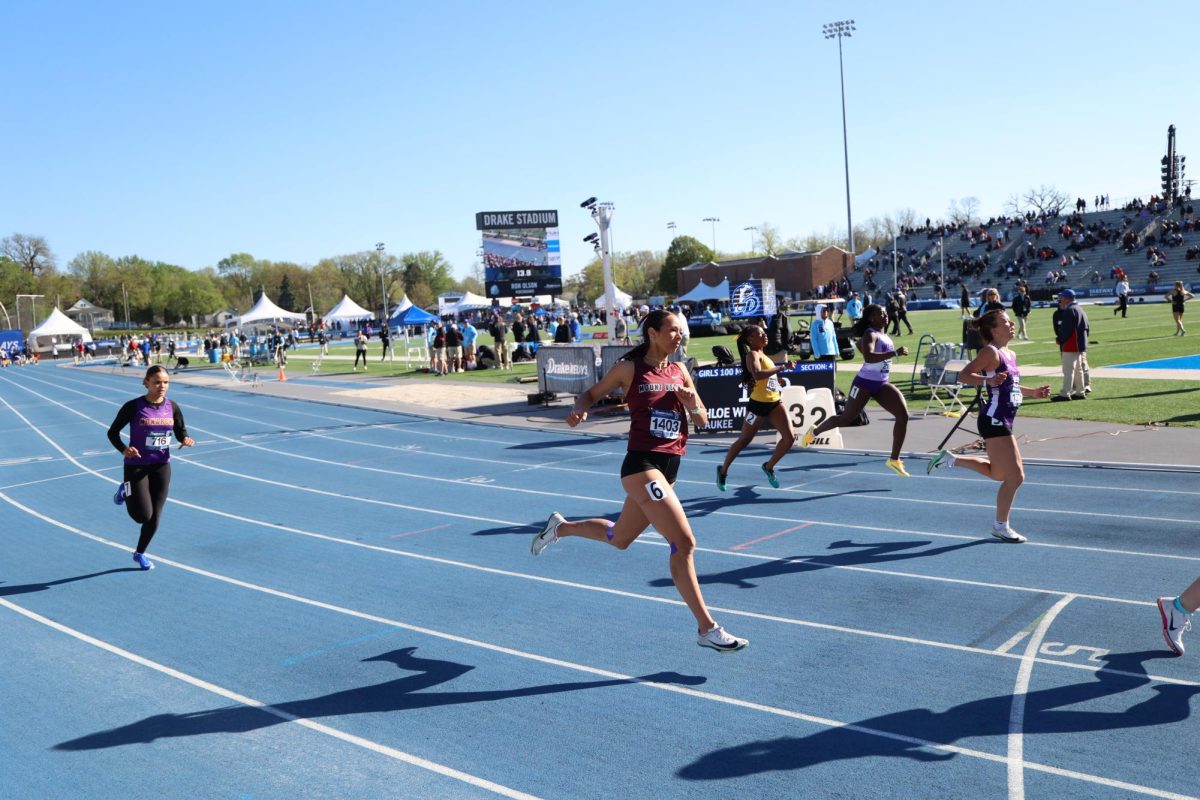
Most athletes have performance anxiety, and this affects their performance. ”I think anxiety plays a big role in your performance because before a game or a race, you want to be at your best,” sophomore athlete Holden Hlavacek said. “For example, like in track, the day of the race or the night before, the only thing on your mind is your race and how you will perform, scared to not run your best for yourself or your team,” he said. “Or in football, you have your position, and with your position comes a job. Your anxiety could get to you, and you could overthink a play or a drive, and it affects the rest of your game,” said Hlavacek.
During all of your sports, you have pressure on you, thinking you will not be good enough or you will let down your team, and be very nervous. ‘’If you can’t channel all those nervous feelings, your performance will suffer,” senior Kellen Haverback, a four-sport athlete, said.
“One thing that is so important is understanding that anxiety is there, but do not let it affect how you play.” Haverback said. Everyone needs to do stuff to ease their nerves before performing, no matter who you are.
The best way to deal with performance anxiety is to have routines you do before a game to calm yourself. “ I try to get to the yard around an hour to an hour and a half before anyone else arrives. I like to just lie out in the center and just listen to the sounds of the field. It helps me remember that I play baseball because it’s one of the few things I truly love. After that, it’s hard to have anxiety,” junior baseball player Porter Chatman said.
You will always have anxiety, but you only need a few ways to cope with it. “A few simple things help,” said Coach Preston Pedersen. “First, prepare well. Confidence usually starts long before game day. Second, keep your focus on what you can control, like attitude, effort, breathing, communication, and doing your job. Third, slow yourself down physically. Deep breathing, steady body language, and a simple routine can help settle your mind. I also think it helps to keep things simple. Instead of thinking about the whole game, focus on the next play, the next rep, or the first job you need to do well.” Pedersen said It’s always important to have a few things to ease your anxiety.
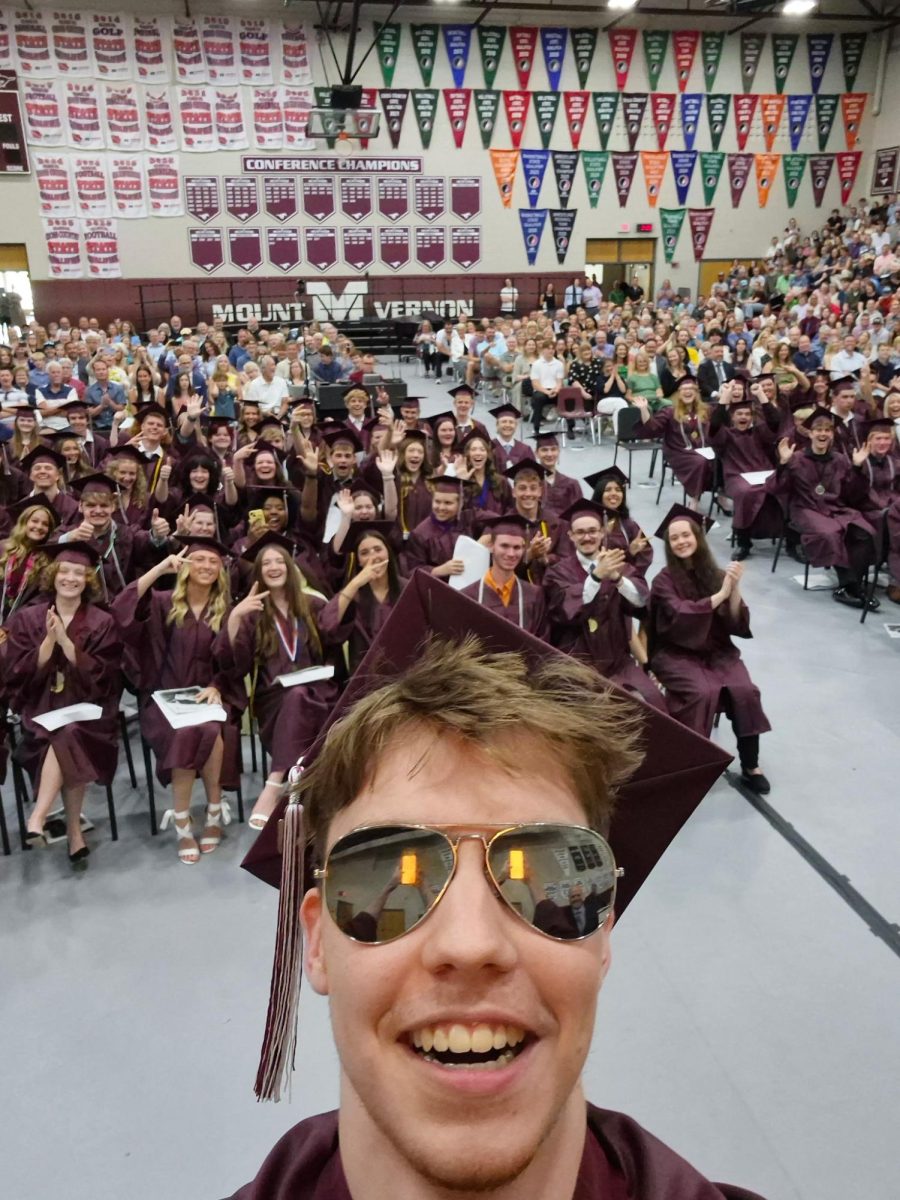
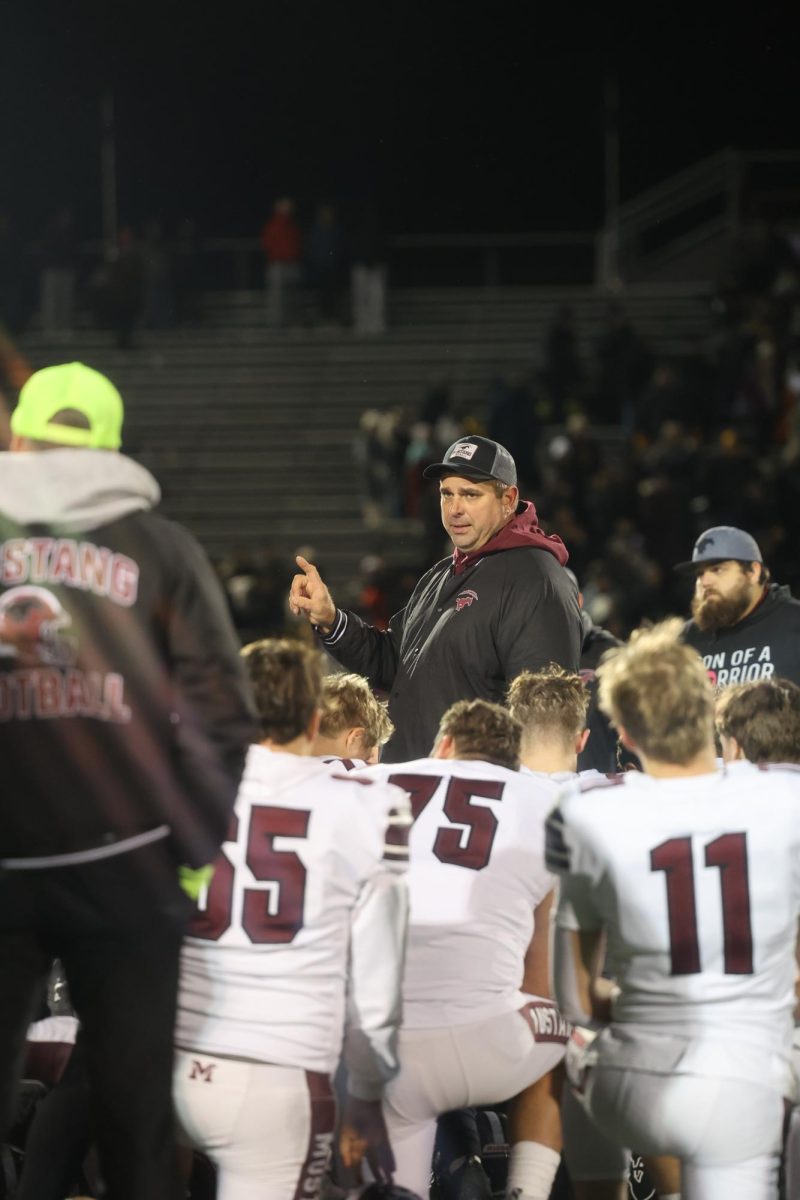
Many different athletes have different ways of coping. “One time I was able to overcome anxiety was during the Algona game, my senior year,” Haverback said. “We had three minutes to drive the length of the field, and I knew the weight of the moment. If we didn’t score a TD, our season would be over, and we wouldn’t go to the Dome. I was feeling very nervous, and a few things helped me be able to overcome these challenges. The first was when my coach came up to me and told me to smile. This broke the tension of the moment and made me realize I am playing football to have fun. The second was doing a quick reflection on all the workouts, practices, and film sessions from the last few years.” Haverback said that he realized he was prepared for the moment, and that made him feel better.

“Last year, I got the yips pretty bad after our game at Cascade,“ Chatman said. “I popped up to the first baseman four times, and I got in my head pretty bad. I didn’t trust myself in the box at all. I tried to overcompensate for my swing, but I just didn’t believe in my abilities. I didn’t have a hit for the next couple of games. But against Pella, Easton Reasland’s lung collapsed. At the moment, I didn’t know if he was going to be okay. That kinda woke me up, it made me realise there are things bigger than baseball.”
Chatman said that he was able to perform when it counted. “I ended up going 2-4 against Pella with a bunt for a base hit with 2 outs late in the game that helped us beat Pella,” Chatman said.
Hlavacek remembered dealing with pressure as a freshman. “Before the state track of my freshman year, I was walking down the track with my relay team as all the teams in our race did too. I looked up, and all you could see was the heads of thousands of fans, and that year, it was one of the most packed state track days ever” Hlavacek said. “My teammates tried to calm me down, as my coach did, but instead of being nervous and worrying about the outcome, I looked forward to the outcome and realized only my opinion mattered when I raced. Every time from there on out, I’ve tried to think before my race that the outcome only matters to you because you’re the one behind the wheel and in control of what you do, not anyone else,’’ he said.
All three of these different athletes have different ways of coping with the anxiety they get from sports. Everyone is the same; everyone gets anxious. The difference is how you react to it and how you help control it, so you can perform the best you can to the best of your ability. As Dan Millman said, “You don’t have to control your thoughts. You just have to stop letting them control you.”