Training is very important for any athlete, many athletes believe what happens before a game or get ready for a game matters just as much as what happens during it. At Mount Vernon, pre-game activities are not just seen as small habits but seen as important for getting ready for a game.
Pre game preparations look different for any athlete whether in the locker room or on the bus or even on the field. Some players keep their routine simple, while others go into detail. For example one athlete said “I like to warm up, and say a prayer, then take the field.” Another explained “My pregame is usually just a bunch of music and preparing my body to be in the best shape possible so I can perform at my highest level.” No matter how simple or detailed someone’s routine is when coming to gametime the goal will always be the same, to get into the right mindset and get ready for game/match.
Being in the right mindset is something that all athletes agree on. In a survey of Mount Vernon athletes, 100% said their pre-game routine affects how they feel before a game, this doesn’t just show how important these habits are for an athlete but how they choose to get ready.
Even though most sports can be a team activity, getting ready for a game for some athletes at Mount Vernon can be a personal thing. Seventy-Five percent of athletes said they prefer to be alone for a pregame activity instead of together as a team. However 25% had said they prefer doing it as a team. This allows the athlete to get mentally ready in their own way.
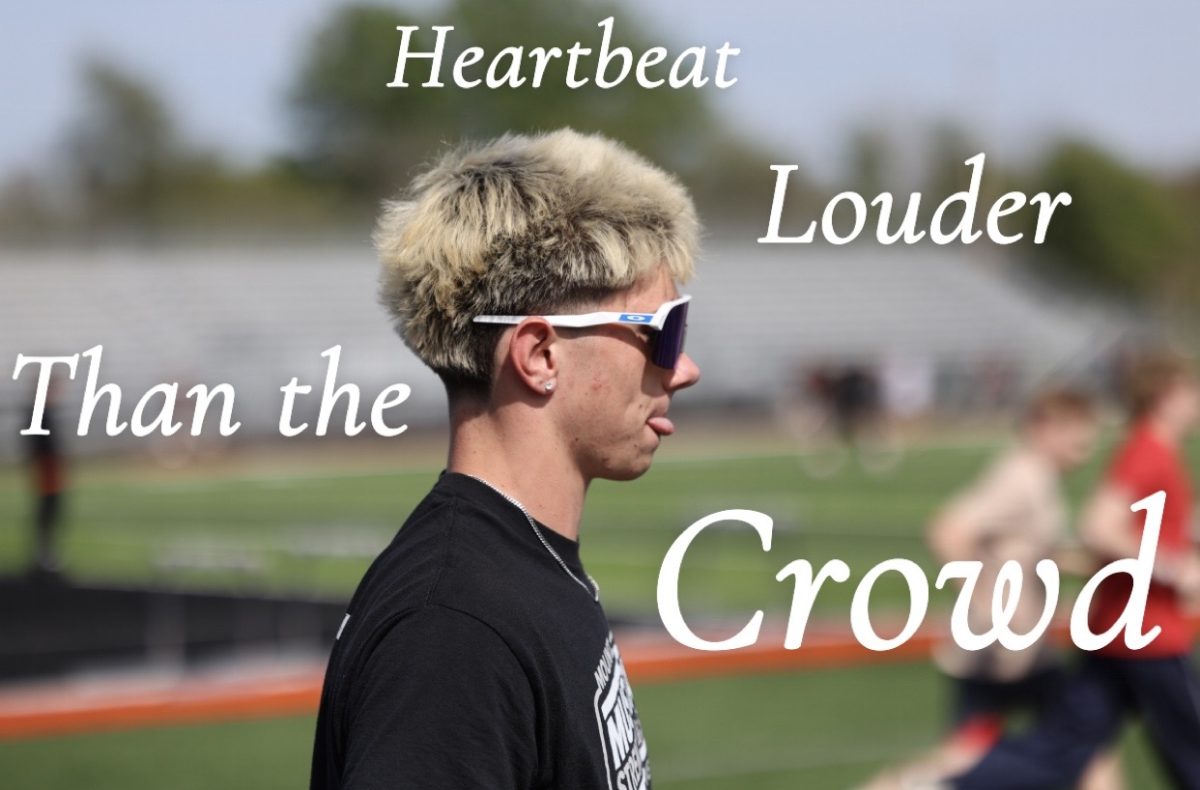
Sometimes these routines turn into superstitions. Easton Reasland, a 10th grader who is in baseball and football shared his most common superstition: “Never step on the chalk foul line in baseball. It’s like the cardinal sin of baseball.” While it may seem small to some people. Reasland feels that this is something he will always do while on the field for baseball, and has become a tradition for him.
Other athletes don’t really see their routines as superstitions. Holden Hlavacek had mentioned how for his pregame he feels as if it’s less of something that he just does, and it’s more of a necessity.This shows that for some players, these habits feel more like part of their preparation than luck.
Rival games can affect how athletes prepare. “It is important to not let a game/moment dictate who you are and what you do,” said Reasland. “That helps me stay confident no matter who we are playing.”
Not all players agree about the effect of rivalries.“Rival games change the intensity of my pregame because usually I’m way more locked in and in the zone during those games,” said sophomore Holden Hlavacek .
Sophomore Teddy Bonewald also recognized the power of rivalries. “I think playing rivals can make things more intense but it is ok to stay with what you are used to and not try to change everything” Bonewald said. Even if routines changed, the end goal of it is to be ready to play.
Many athletes start these superstitions or habits early. Reasland mentioned how he had started these since he had started playing sports. While Hlavacek had said they had really begun to pick up his varsity football season of his sophomore year. No matter when these athletes had picked it up they always stuck overtime.