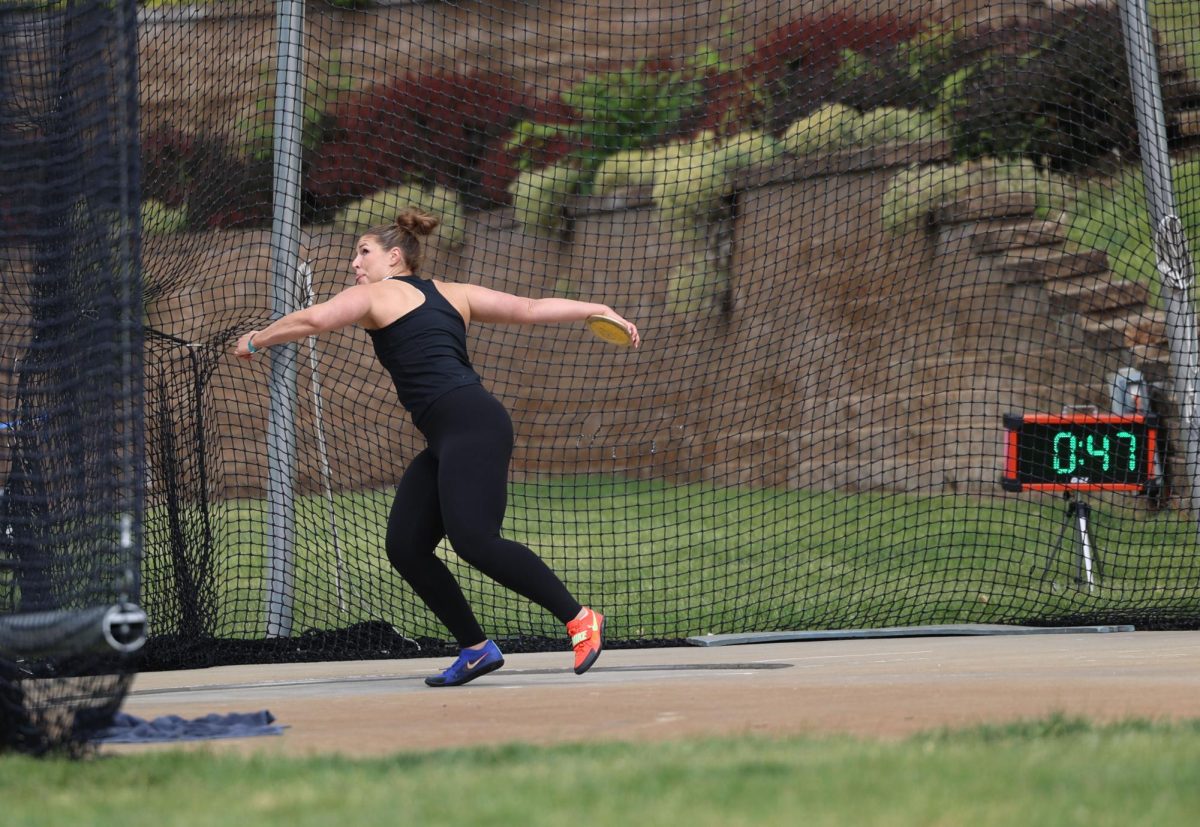
Mount Vernon High School has had many successes in recent years with athletics, fine arts, and academics but student-athletes may struggle to balance both school and athletics. However, if an athlete has the right mindset, they can come up with a strategic plan to stay ahead.
With many hours of preparation for sporting events, athletes find themselves stressing on how to get their assignments done or how to fully prepare for a test the next day.
Practicing 10 hours a week, Matthew Goodlove, a sophomore golfer, starts with the fundamentals ranging from driving, midrange shots, chipping and putting. In sports, feeling pressure is a normal occurrence. “Every day is an opportunity to get better and learn,” Goodlove said. Kellen Haverback, a senior, has been golfing for Mount Vernon for all of his four years of high school, and every time he

has a golf meet, he and the team leave during the school day so he misses class, leaving him with tons of assignments and things to study for. “Letting teachers know ahead of time helps so that I’m caught up,” he said. Being an athlete and juggling school can be an overwhelming task but having a plan can lessen all of the stress.
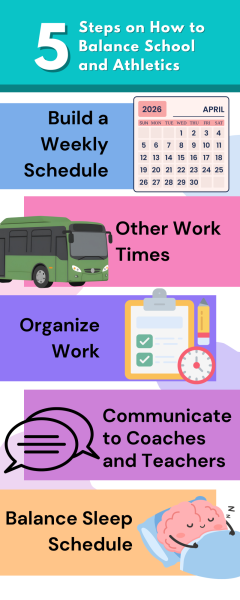
Build a Weekly Schedule
Mapping out the week with the ideas of having sporting events and school, it’s best to find the right time to focus around academics. Sophomore Teddy Bonewald often has to leave early for track meets,

so it’s always better to think ahead. With limited time to complete homework, it’s crucial that you “plan accordingly, depending on the assignment, to work ahead of the class to make sure you don’t fall behind,” he said. Having the mindset of planning out your week can help an athlete balance intense training with athletic workloads, preventing stress and maximizing performance.
Find Other Times to Work
On the way to a track event with not many things to do than to be on your phone, it’d be a good idea to take this time to get done with homework or study. Being an athlete it can be overwhelming, “but time management is important and learning how to manage your time is a very important skill for life,” track coach Ryan Whitman said. Doing homework or studying on the bus can be the thing that changes your grades in a positive way.
Though many athletes would use their time sleeping, listening to music, or focusing on their upcoming event, “making a plan ahead knowing that there are practices and events throughout the week so that you can get enough homework and studying done to feel confident and good heading into classes,” Bonewald said.
Organize Your Work
Throughout your weekly plan, you should always include the importance of each assignment and test. Encountering obstacles in your day with overwhelming events later in the day or coming across practice after school, it’s best for an athlete to prioritize academics and look at themselves as “student-athletes, not athlete students,” Whitman said. “If one of my guys is struggling, I tell them to miss track practice so they can get the help they need to succeed in classes.” The attitude an athlete gives towards school can determine if they are able to participate in the sport they’re in depending on their grade and overall evaluation by the teacher.
Communicate to Coaches and Teachers
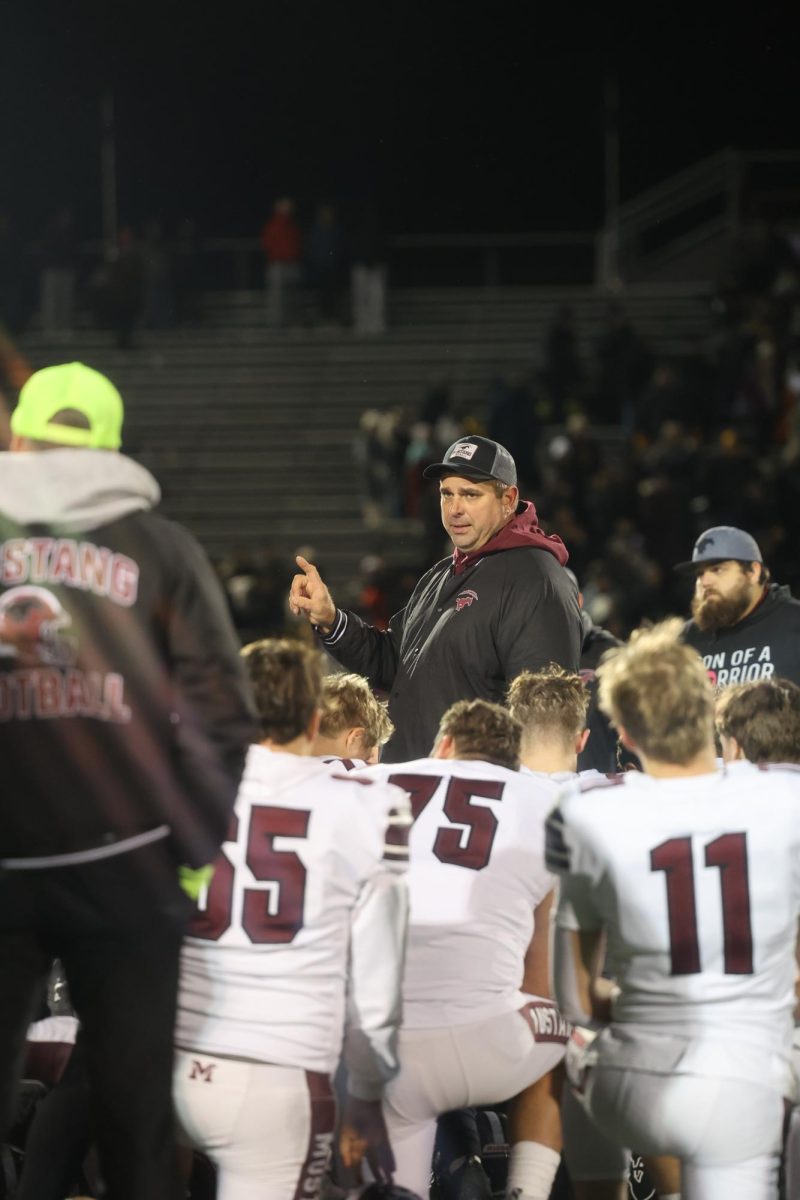
Communication with coaches and teachers is the building block of trust. In this way, it can enhance the performance of an athlete, and ensure that the athlete is on the right track and their well being is good. “Most problems get worse when people stop communicating,” strength and speed and football
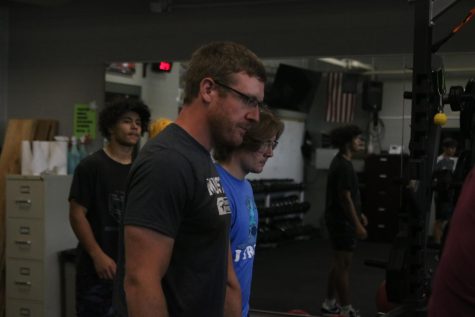
coach Preston Pedersen said. “We try to create an environment where athletes know they can talk to us early if something is going on.” The helpful interactions show that an athlete is paving the way for a positive environment that encourages everybody to adapt to. This source of connections can reduce the burnout and can lead to the aid from the coaches if an athlete is feeling the sense of stress and overwhelming circumstances.
Grades make a huge impact on a sports person’s performance. Reminding athletes about their grades, “if they don’t pass their classes they don’t get to compete in the sports that they enjoy,” Whitman said. This plays a huge part in the communication between the athlete, coaches, and the teacher because they need to find a way to resolve this issue or the athlete is not permitted to compete. A teacher can also send an email home, providing a position in which the parents can be involved in this matter for the best possible outcomes of their kids.
Balance Your Sleep Schedule
If you’re an athlete with a busy schedule, it is always a smart idea to balance your sporting events with the time when you get home and the amount of sleep you are able to get. With the knowledge that sleep is a critical component to training and school, it’s important to try and get eight to ten hours of sleep a night and that’s when you don’t have a late night at a game or meet. When getting home late, “athletes find a lack of sleep and change in their sleep schedule, leading to their drowsiness in the morning,” said Bonewald. If you’re an athlete struggling with how to balance your sleep schedule, make a goal that aims for at least seven hours of sleep but try to get the regular eight to ten.
The overall guide listed is a great way for an athlete to gain the knowledge on the best way to use their time successfully and how to balance homework with their sporting events, making an easier path that doesn’t involve lots of pressure, leading to a better performance in all aspects of their day.