Athletes at Mount Vernon High School range across multiple sports, but one of the similarities between them all is the preparation they go through, individually or with their team, to perform at their best.
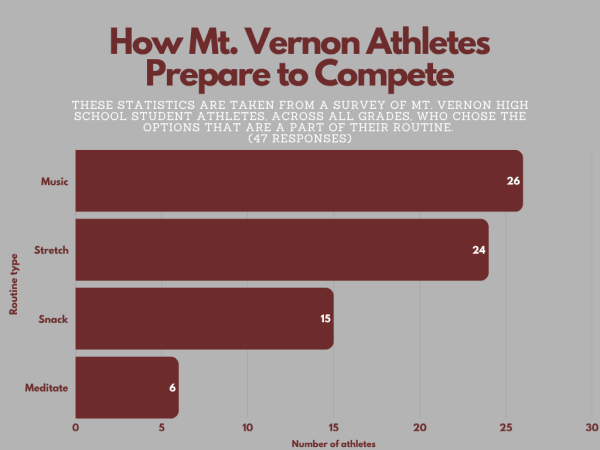
While each athlete’s routine may look different, on the surface, the purpose behind it stays the same: to feel prepared, confident and focused on what matters most, which is the coming competition. For many it is listening to music or stretching as a team and for some it is sticking to a certain snack option or doing a form of meditation. No matter what it is, these habits become part of a person’s identity as an athlete. For many, these routines aren’t just preferences, they’re necessities that help them perform at the highest level.
Being on the field, the track or the court calls for physical and mental readiness. Some athletes go about preparing for a competition in their own unique way. As of now it is the spring sports season meaning girls and boys track along with golf and soccer are all in full swing. Athletes participating in sports much different from each other are finding out the best routine leading up to their competition.
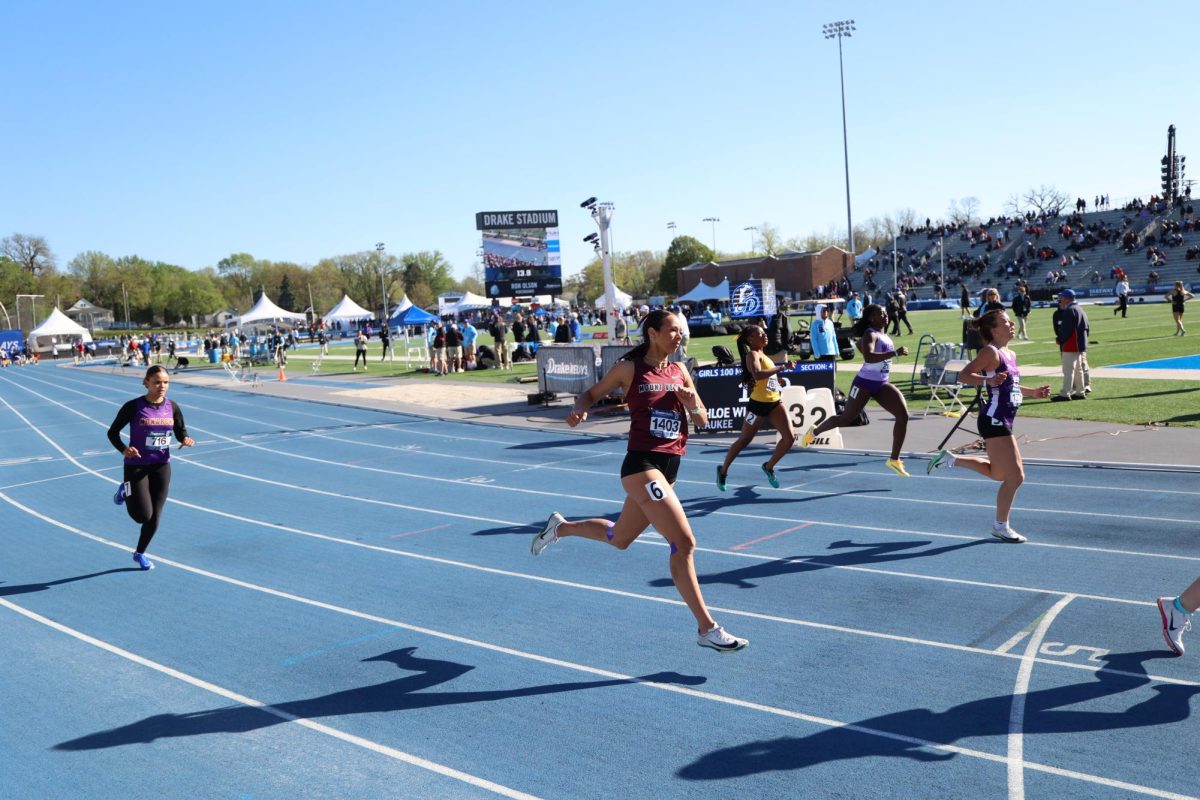
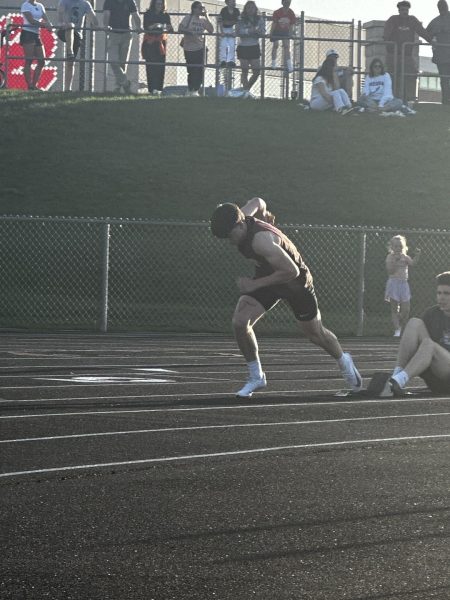
The Mount Vernon boys track team focuses on making track a team sport not one that is individual. Athletes will run their own race but at the end of the day it contributes to one team. In practice the standard is still high and must be ready whether it is a day filled with difficult workouts or the day before a meet.
“It starts in the classroom,” said sophomore Jackson Koehn, “our coaches explain the day’s workout if we have one, and then we head outside. We warm up as a team going through the same static and dynamic stretches as always before getting into the workout.”
Later on when the team has a meet the time between getting off the bus and before a race may get long so having a consistent routine can make a huge difference in whether you are ready when the moment comes.
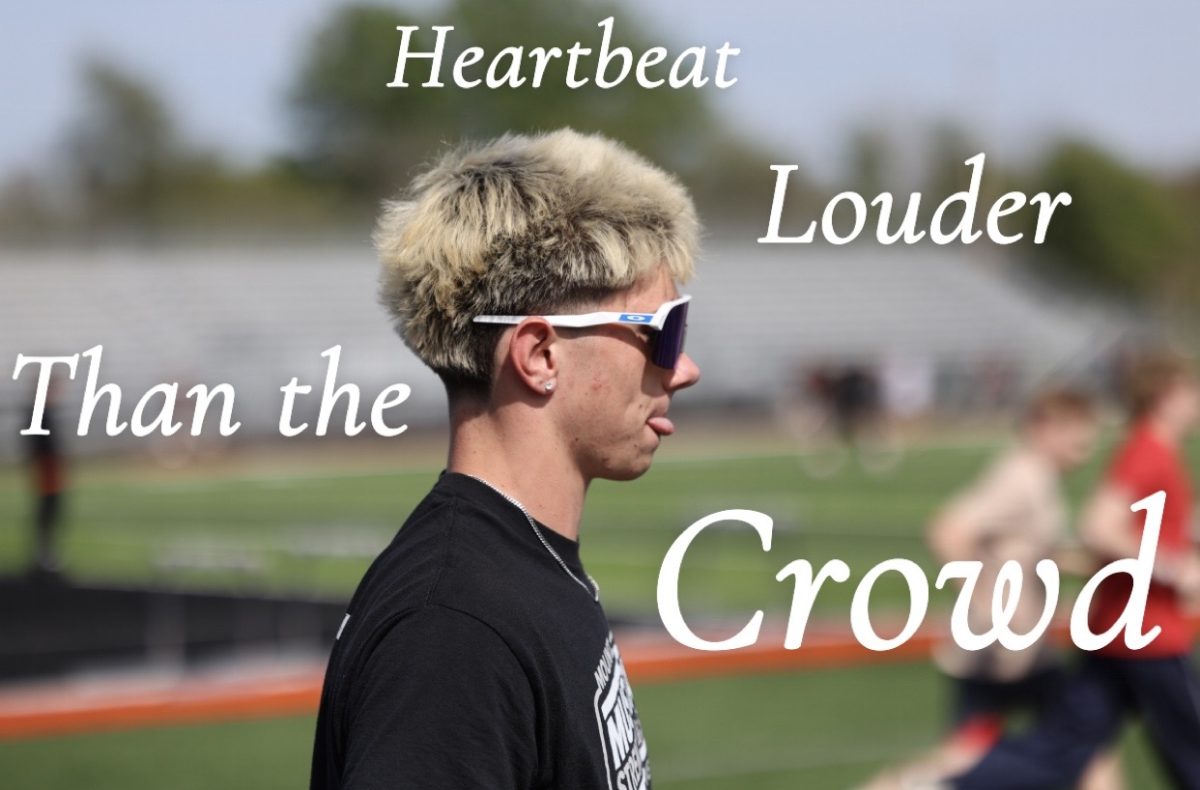
“I listen to music to calm myself down before a race,” said sophomore Holden Hlavacek, “I also have a teammate stretch me before a big race like when we are trying to qualify for Drake.”
“Hearing the music makes my mind clear,” said Hlavacek, “and getting stretched helps me feel loose and ready to run.”
These routines also build a sense of connection between teammates. It’s a way of preparing that all athletes understand. Even in a sport like track and field, where athletes compete individually the warm-up is shared and creates a team atmosphere. Going through the same stretches and movements together helps athletes feel supported and focused before competing. It turns what could be a nervous, quiet moment into something more focused and controlled.
Music allows athletes to step into a new mindset. When the team is apart or on the bus headphones usually go on. Some chose upbeat songs to feel energized while others prefer slower music to stay calm and composed. This balance between team and individual preparation is what makes a routine effective.
This connection runners have with music before meets in spring translates to football players at the beginning of the school year and even the coaches.
“Listening to music helps me get ready,” said sophomore Jakob Delany, “and it keeps me more relaxed.”
Stretching takes care of the physical warm up the body needs before a competition. However, taking care of the mental side can be more complicated and is different for everyone. It’s not a one size fits all routine as stretching can be. It’s a common theme among athletes to use music as a tool to block out the commotion around them. It could be a packed crowd and student section ready to watch a game or a field full of athletes from different schools but either way it can be a distraction.
Snacks are another key part of many athletes’ routines, even if they seem simple. Having something small to eat before a meet or game can provide energy and also create a sense of consistency. Many athletes stick to the same foods like granola bars, fruit or sports drinks because they’ve learned how their body will react.
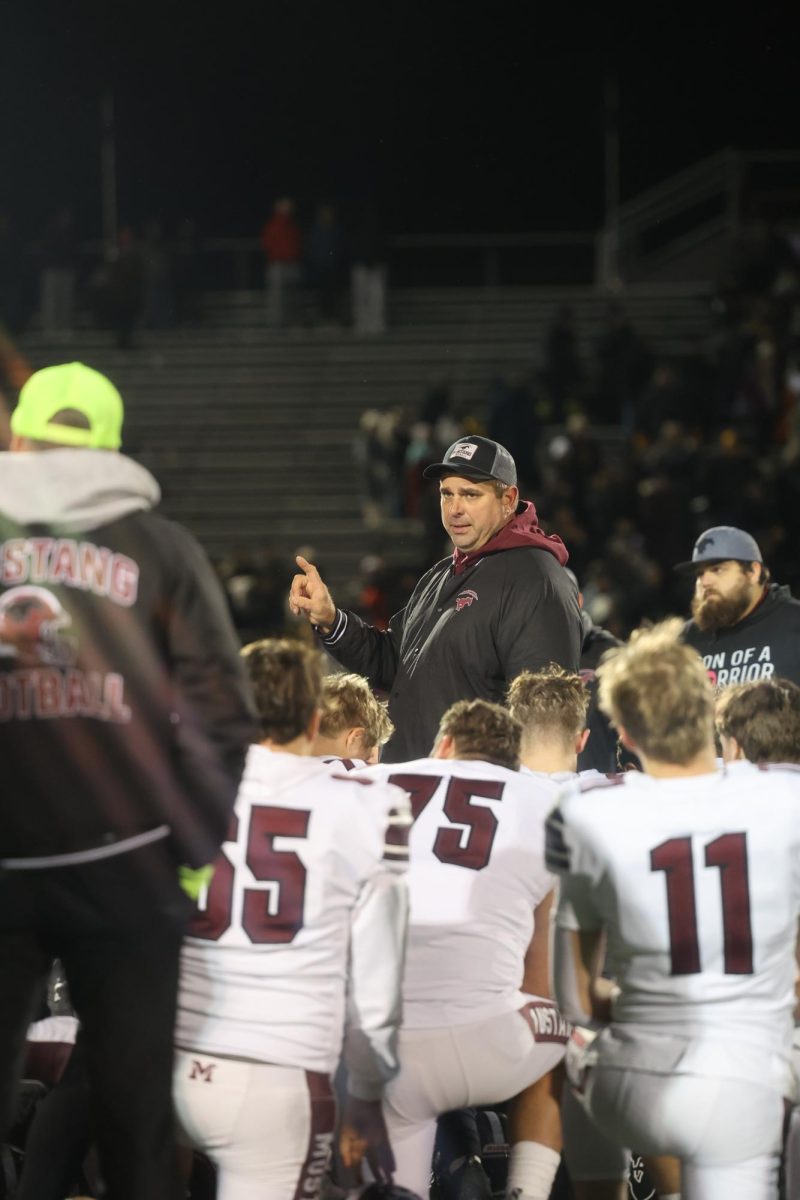
Mt. Vernon coaches are not much different from the players when it comes to staying within a warm up routine. Their thought process is similar to that of the players as some coaches play music knowing how it helps their athletes, and the football team passing out candy, for energy, at halftime.
A majority of athletes who miss a step in their routine or feel rushed at some point throughout it end up feeling off.
“There’s never really been a time where I’ve missed it,” said sophomore Jakob Delany, “I’m just so used to it at this point to where it’s almost an every day thing for me, or at least it feels like it.”
Athletes also rely on positive self-talk to build confidence. Repeating phrases in their head or reminding themselves of their training can help shift their mindset from nervous to ready. These mental habits often go unnoticed from the outside, but they play a huge role in performance.
Pre-game rituals, as many refer to them as, are more than just habits, they are part of athletes visualizing themselves performing. From stretching with teammates to listening to music or eating a familiar snack to mentally prepare, each step plays a role in getting ready to compete.
While no two routines are exactly the same, they all serve a similar purpose. At Mount Vernon High School, these routines show that success doesn’t just come from talent but from preparation that has an athlete in the right head space before the event begins.