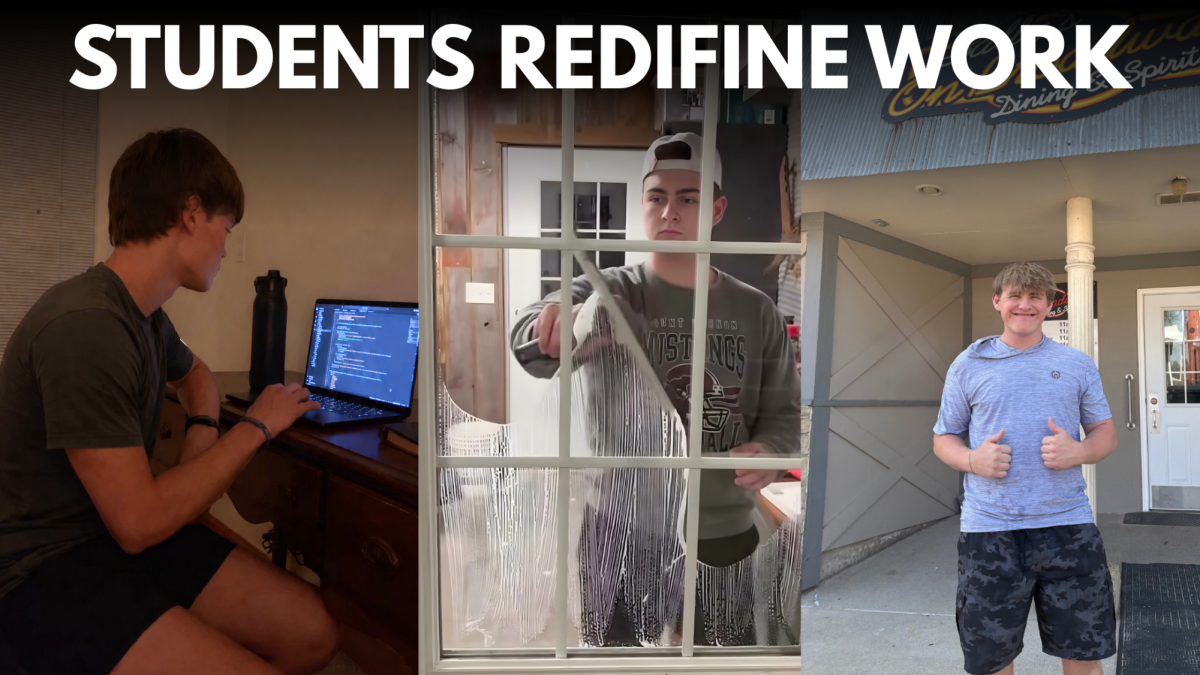
After a long school day, some students head home to relax. Others clock in, grab their equipment, and open their laptops to get to work.
High school students today are earning money in different ways, from traditional part-time jobs to working under student-run businesses to building their own. Each path offers different benefits, challenges, and lessons that go further than the classroom.
For junior Owen Wheat, working a traditional job provides consistency. Wheat works at Sally’s in Springville and at the Mount Vernon pool during the summer, where he has built experience over several years of work.
“I have been working at Sally’s for about five years, and at the pool for three years,” Wheat said.
His schedule varies depending on the season, but his role stays structured. At Sally’s, he works weekly shifts, while in the summer, he works almost every day at the pool. At Sally’s, Wheat washes dishes, brings food to the buffet, and is a cook.
While the job offers steady income and familiar routines, it also comes with limitations.
“You will get in trouble for the smallest things ever, but what I have learned is that if you stay on task, you can get the job done,” Wheat said.
Despite that frustration, Wheat said working for someone else has helped him develop important skills.
“Working for older people helps you learn how to work better with people,” he said.
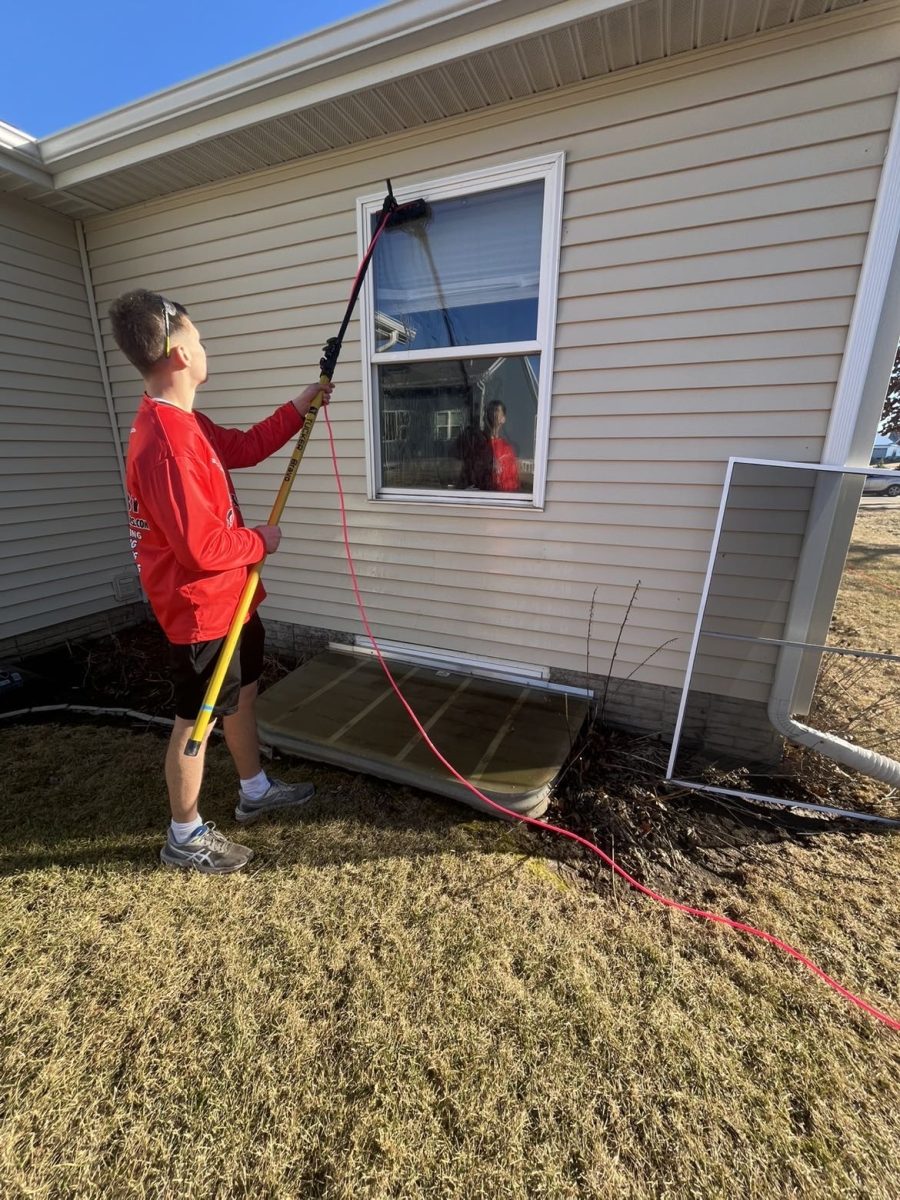
However, junior Landyn Leyse has a different experience. Instead of working for an established business, he works for Hook and Ladder Exteriors, a company owned by senior Caleb Keegan.
Leyse said he got the job through a personal connection.
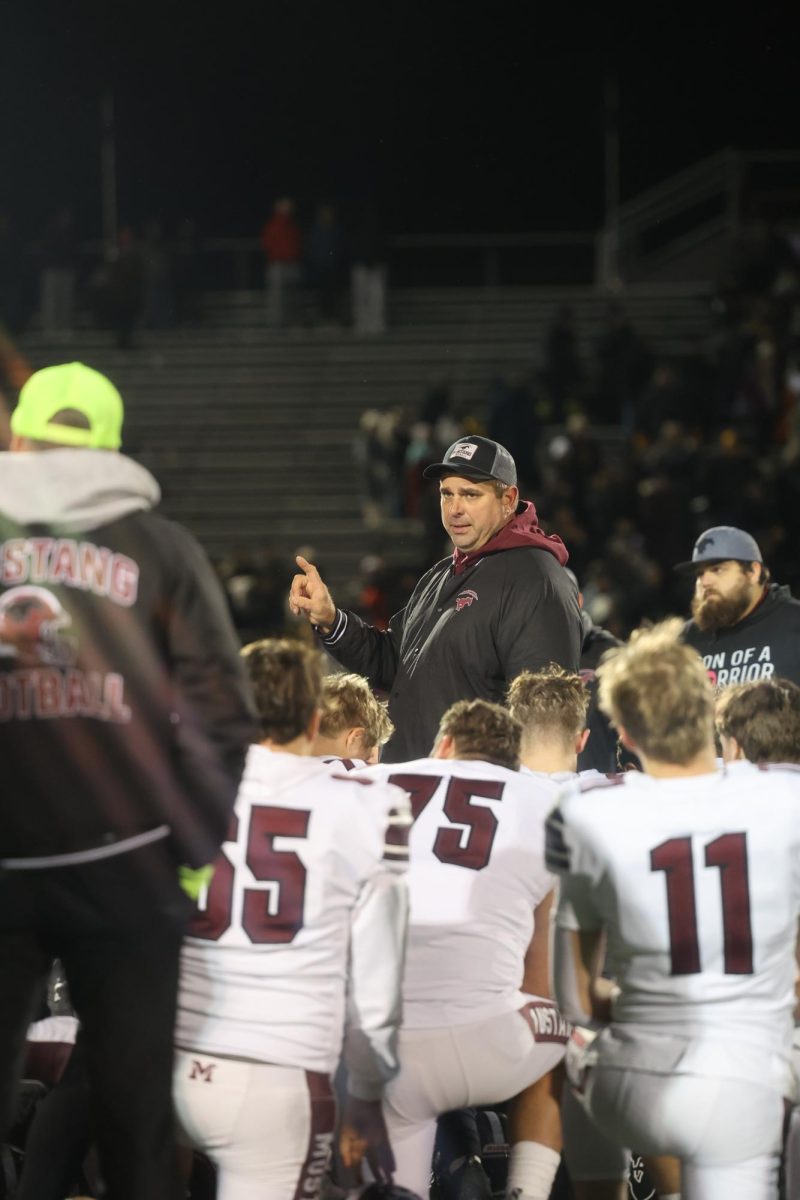
“He approached me at football practice and said he liked my energy and offered me a job,” Leyse said.
His work includes outdoor jobs such as house cleaning and window cleaning after school. Unlike a traditional job, Leyse said the schedule is more flexible.

“It is very easy because my job is very adjustable time-wise,” he said.
Working for a student also changes the feeling of the workplace.
“It is good because he understands my life better and is easier to communicate with,” Leyse said.
While the business operates like a professional company, Leyse said the shared experience of being students creates a different environment.
“The easy communication and having similar schedules” are some of the biggest advantages, he said.
For Matthew Bradbury, the responsibility goes even further. Instead of working for someone else, Bradbury runs his own cybersecurity freelancing work and is developing a startup.
“It’s something that I love and enjoy,” Bradbury said. “Hours are really flexible, like half the work I do is between 8-12 pm.”
However, that flexibility comes with pressure. Bradbury said mistakes can have serious consequences.
“I accidentally put a pretty large vulnerability in the code because I was just trying to optimize the platform quickly,” he said. “I had to go back and restructure all of the code so that the website would be stable.”

The fast-paced nature of cybersecurity adds another layer of stress.
“You’re expected to be able to catch these types of mistakes before they are published,” Bradbury said.
At the same time, his startup work shows constant uncertainty.
“Because AI is such a rapidly developing technology, I have to hope every day that someone hasn’t gotten this software before we were able to,” he said.
While each student takes a different approach to earning money, their experiences highlight key differences. Traditional jobs offer stability and structure, while student-run businesses
provide flexibility and closer communication. Running a business independently offers the most freedom, but also the highest level of responsibility and risk.
All three paths teach skills that are not always learned in the classroom, including communication, time management, and problem-solving.
As more students find ways to earn money during high school, their choices reflect not just how they work, but how they prepare for the future.