May is right around the corner, and several high school student-athletes are preparing to leave their hometown and adapt to a new life in a new sport. Multiple student-athletes are in the process of being recruited, but many have already been recruited to various levels and sports. Therefore, here at Mount Vernon High School, teachers, coaches, and staff give everything they have to help those student athletes get recruiting looks and help them in the recruiting process.
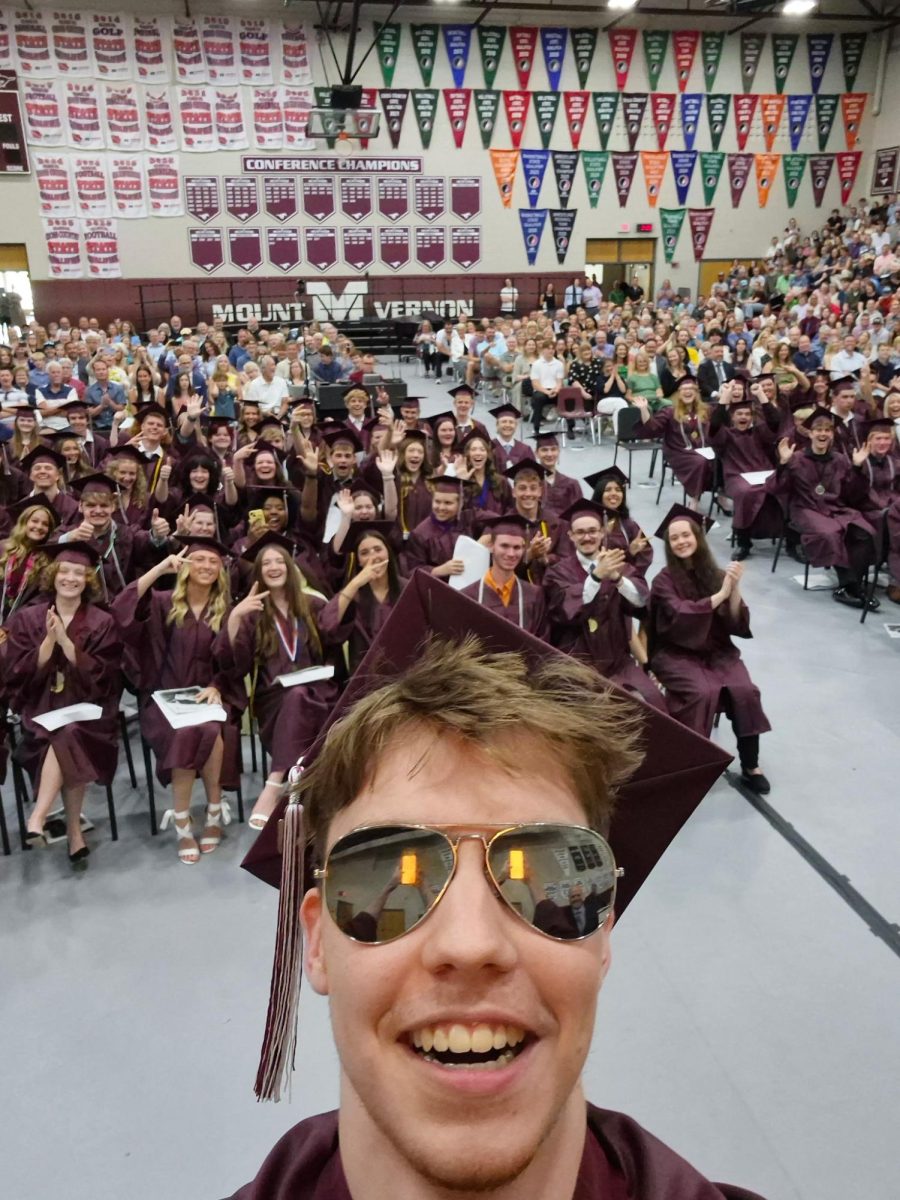
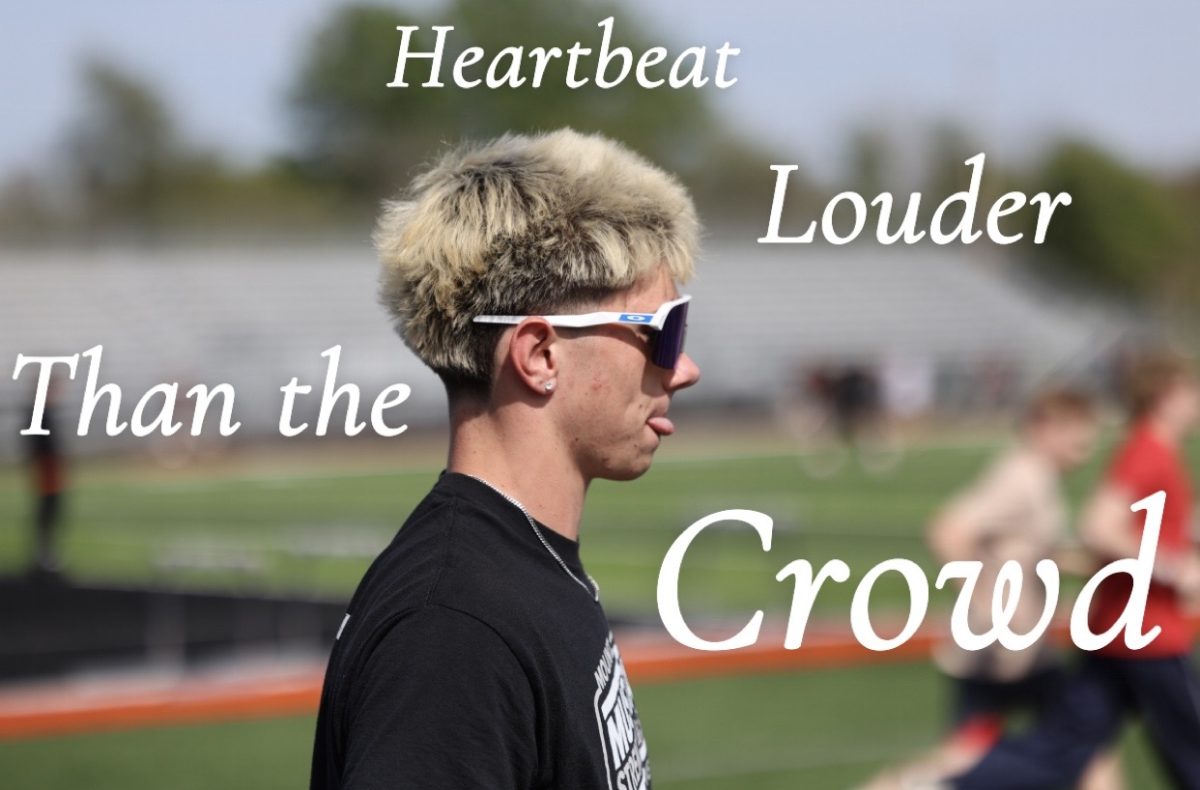
Senior Kellen Haverback committed to the Division 1 level to play football for the Drake Bulldogs. His decision to stay in Iowa came down to one thing: family. “My first thing I looked at with a school was the distance away from home. Family is very important to me, and I didn’t want to go to a place over six hours away.”
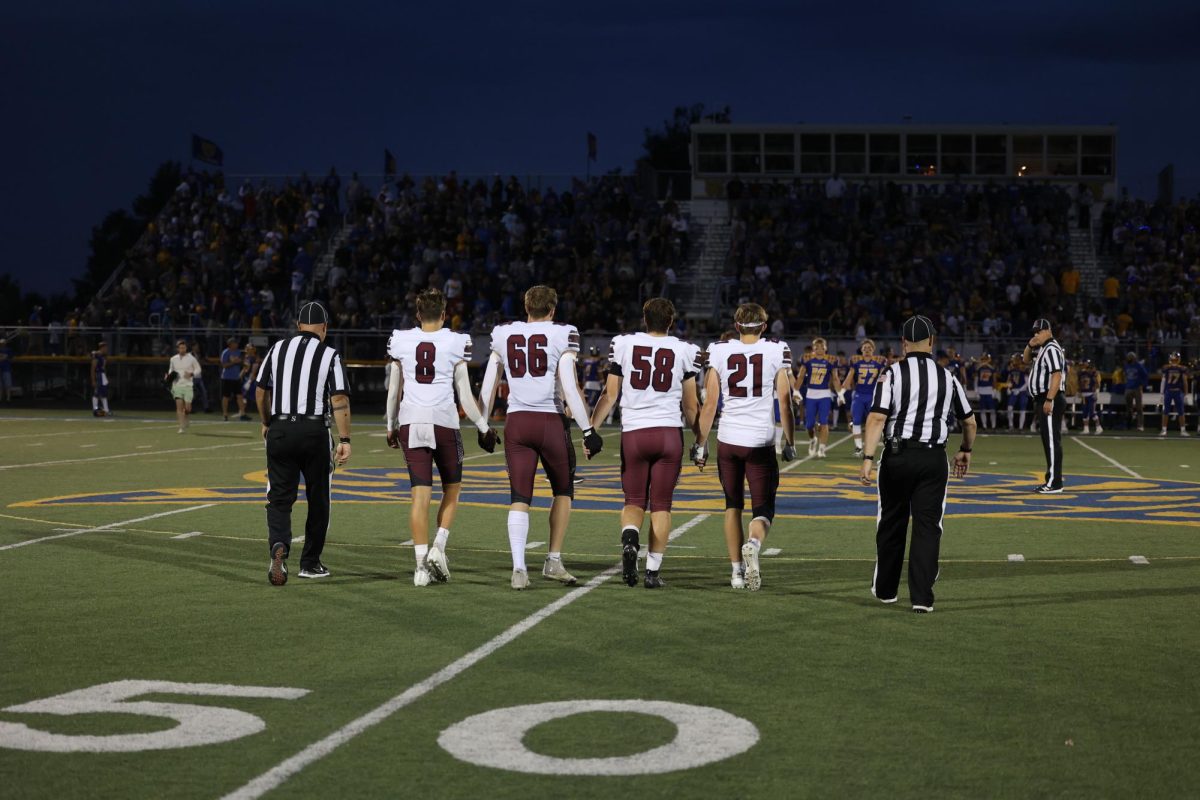
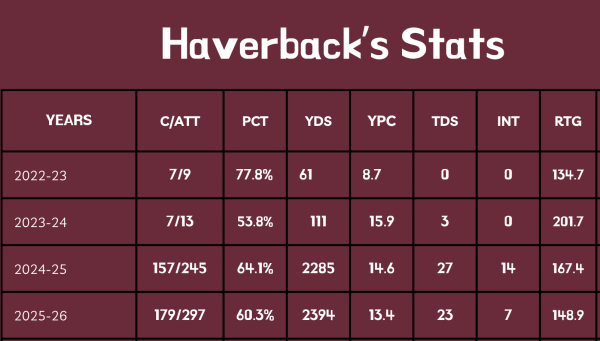
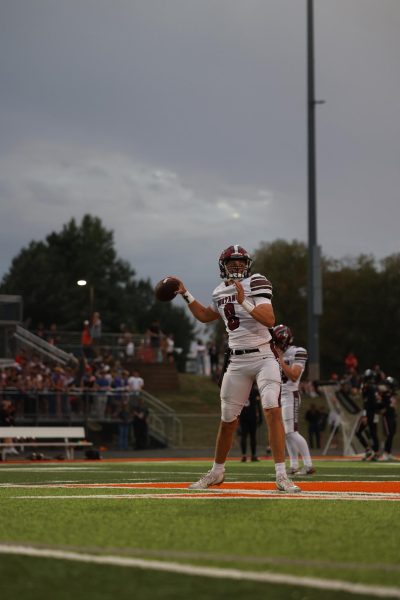
Haverback was a key player during his four years of playing football at Mount Vernon. Over his high school years as a quarterback, he threw 4,751 yards with 53 touchdowns.
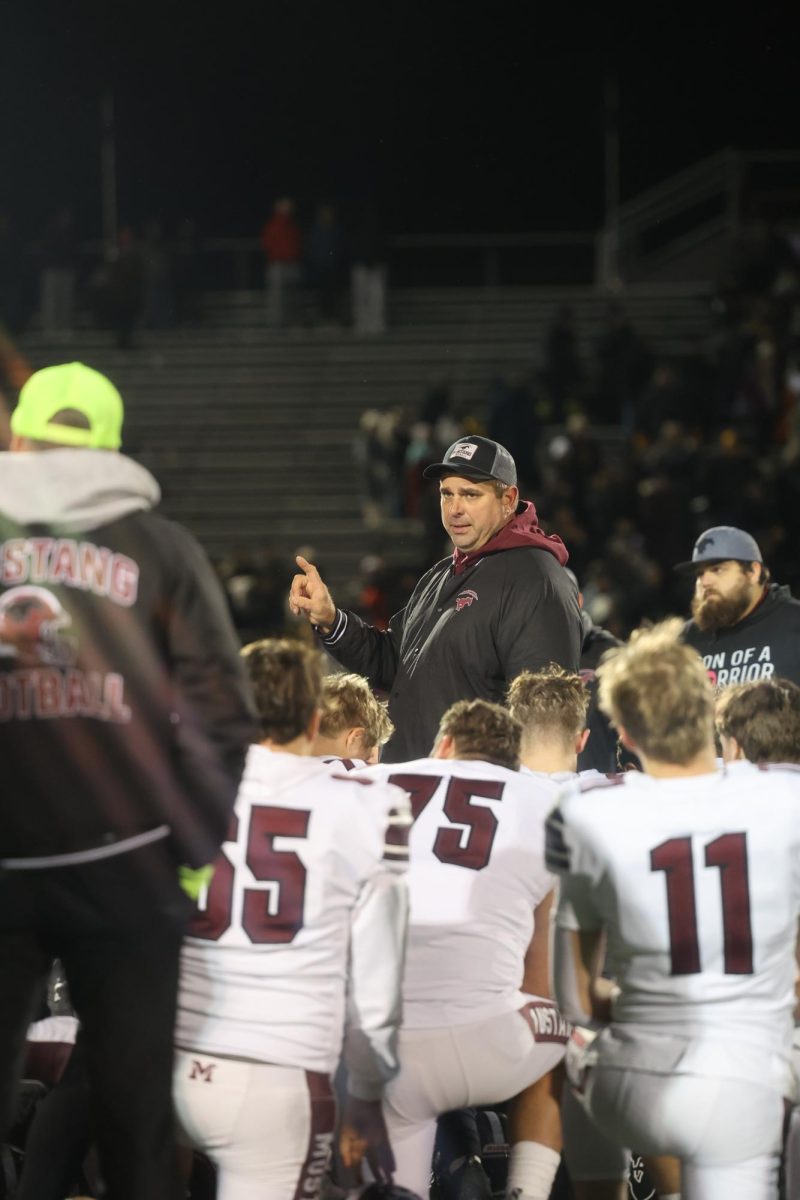
“He is just a tremendous leader for us, and I think that’s one of the big things that led us to be so successful these past years with him,” said head football coach Brad Meester. “He wants to just learn, he’s continuing to look to get better, he continues to practice, and do drills, going to camps.”
Haverback is a well-known athlete at Mount Vernon. Inspiring the youth. Haverback shares advice for younger athletes, encouraging them to focus less on labels and more on passion.
Meanwhile, Haverback stays active all year, participating in football, basketball, golf, and baseball, while also balancing school and other important activities with his schedule. Many may wonder how he has the time to look at colleges. Haverback started looking after his junior year football season, which is very late for most students. In the process, most athletes who want to get recruited start by creating a highlight film and sending it to coaches to get noticed. From there, attending camps gives coaches a chance to see how they actually play and compare them to other players. For Haverback, the process looked a little different. “Early in the recruiting process, I started by following a bunch of coaches on Twitter, as that’s how they communicate with players.”
While Haverback’s experience is fascinating to hear about, the recruiting process follows a structured set of rules for all athletes.
https://www.ncsasports.org/ncaa-eliIgibility-center/recruiting-rules describes the different methods of communicating with recruiters from a Division 1 football level. During an athlete’s sophomore year, college coaches have limited communication. Starting June 15, coaches are allowed more contact, and by January 1 of junior year, coaches can communicate off campus. Athletes are given the privilege to visit campus after April 1 through Sunday of the last Wednesday in June of junior year, as long as it doesn’t conflict with college campuses or clinics. The expansion of communication opens up more towards the start of a junior school year. Coaches can have private communication with athletes on social media platforms. Senior year comes and, student athletes are bombarded with calls and texts from coaches the first week of September. “It was definitely a part-time job responding to all the coaches promptly. It is also hard to want to get on a call you know you don’t want to go to. I got through it by staying positive and seeing it as a compliment and blessing,” said Haverback.
Athletes can only be evaluated once during September through November, but then are given two evaluations, one focusing on athletics and the other on academics.
While Division 1 recruiting can be intense, the process looks similar at different levels, including Division 3 levels. Most Division 3 coaches reach out as early as possible in an athlete’s high school career. Sophomore year, however, is when the process advances, tracking the athlete down, and then the spring of junior year rolls around, and that is when the recruiting process hits the hardest.
“I then started to receive camp invites, and every time I got one of those, I would post it. For recruiting, it’s a snowball effect, so many more coaches started to reach out. I then did workouts for multiple schools at the high school. I then went to camps in the summer,” explained Haverback. This shows how recruiting can build momentum over time, where getting early attention leads to more opportunities from other schools.
Recruiting also depends on what coaches are specifically looking for. According to ScaRecruiting, coaches have specific criteria, including physical characteristics, high school and club performance, academic achievement, and other factors. Athletes who fit the standards likely become a ‘targeted’ recruit. This means athletes have a better chance of being recruited if they match a coach’s needs.
Many athletes stress out about the fact that coaches want them to recruit for their athletics. While that is not wrong, college coaches deeply want to know how that specific athlete is as a person. Do they put in the work ethic? Are they good at school?
Haverback emphasized that success comes from more than just talent. “Multiple skills are important in sports. Things like attitude, effort, competitiveness, and love for the game are so important to succeed.”
His mindset reflects the kind of culture coaches look for in athletes, where consistency and character matter just as much as performance. Coach Brase, head coach for women’s basketball at Cornell College, elaborates on how important the values of work ethic and attitude are to a college program. “They are the most important qualities,” Brase said.
Brase explained that even highly talented athletes can hurt a team if they lack those traits, while players with stronger character and effort can build a positive and successful culture.
Mount Vernon’s football program emphasizes those same values daily.
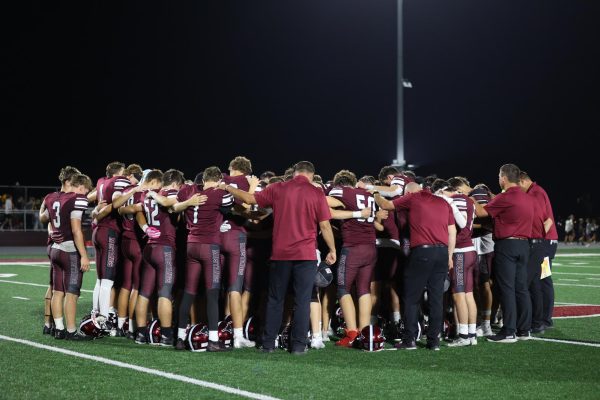
“ Honestly, there’s a lot that goes into it,” Meester said. “ A big part is making sure our culture is right and that we’re teaching characteristics that will make them successful, not just on the football field. Time is huge in our program; you’ve got to be on time, whether that’s for practice or a job. And family is another big one. We treat everyone with respect and focus on being great teammates. “
Haverback’s journey reflected how the recruiting process plays out. Haverback first caught North Dakota State University’s attention when NDSU came to watch one of Haverback’s former teammates. Haverback took the advantage of the opportunity and began to send films out, and it got interest from other colleges. Coaches started to come to watch Haverback talent. By the end of his season, Haverback said, “ around eight Division 1 schools came to visit.”
The recruiting journey can be stressful for some, yet it can also be challenging and different for every student-athlete. However, the work ethic and attitude are what matter most throughout the process. At Mount Vernon, student-athletes are given the tools for guidance and support along the way, and one example is Haverback’s story of what can happen when hard work and attitude meet opportunity.