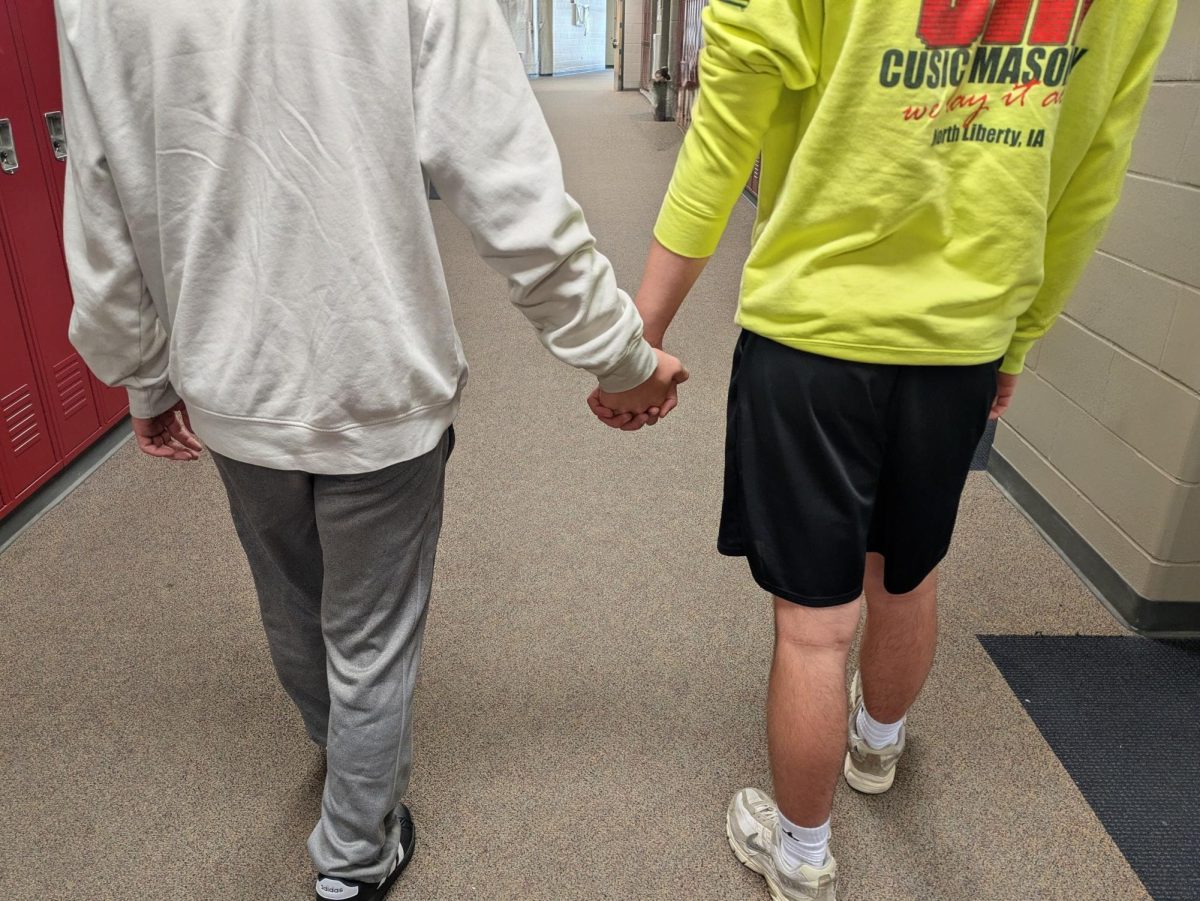
As the school bell blares through the hallways, a high school boy makes his way to his locker, with the only objective of talking to his crush. Finally, across the hallway, he sees them and has the perfect opportunity to make a move. Suddenly though, his feet feel heavier, his palms get clammy, and a terrible uneasiness appears in his stomach. Then the opportunity passes, his crush walks away, and the boy’s left standing there, wondering what just happened.
Though it’s tragic, things like this happen to various young students across the country. Because of their lack of experience in romantic relationships and fear of rejection, the thought of talking to someone you’re interested in can be petrifying.
From a survey sent to all Mount Vernon students, it’s clear that most people haven’t been in a relationship, or aren’t and would like to be. When asked, “If you are currently in a relationship, how did it start?” Thirty seven out of 65 answers fall under the category of not having a partner or having never had one, some even directly stating that they want one like “No I wish,” “I am not in a relationship sadly,” or “Not in one :(.”
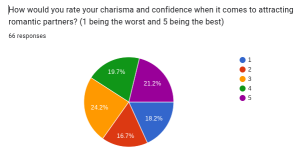
So if people want to be in relationships, why aren’t they? What are the factors that stop a student from talking to somebody they like, asking them on a date, or trying to get their phone number?
“It’s seeing the woman that you like that really gets you,” a Mount Vernon student says, “Even when everything’s just right, when you see them, it’s just too scary to go up to them and say something.” This student also says that this problem hasn’t been solved for him, but he does have a strategy to help him. “Talk to at least one woman a day,” he advises. “Or if you absolutely can’t, then talk to a man.” The goal of this is to slowly acclimate a person to people that they have been nervous around and simultaneously improve simple conversation skills.
On the other hand, while you might have already heard it 100 times, being yourself and having confidence in your words and actions may be the best option when trying to make a connection. I
It’s often thought that being yourself is harmful and instead one should chase popularity, but this perspective leads to peer pressure, depression, and dangerous situations. “People see right through that,” said Mount Vernon teacher and basketball coach Derek Roberts.
“They see through the cracks and the faults when you’re not true to being yourself,” Roberts said. As a happily married man, surely what he’s saying is justified. And even if it doesn’t work out, it has to be better for a move to fail whilst being your natural self than for you to change how you act just to be in a relationship.

Roberts goes on to say, “Find someone who has similar values to you, and that may not be in high school, unfortunately.” He suggests that some people, no matter the strategy used, won’t be able to find a good partner in high school.
To add another perspective to the topic, some relationships aren’t good for the parties involved. Social expectations can lead to people staying in toxic relationships that they aren’t happy with, or leading on a person with expectations of romance that they plan to drop when it’s convenient. Roberts uses the analogy of parasitism, mutualism, and commensalism to categorize high school relationships. Parasitism is a toxic relationship in which one benefits and the other is harmed. Mutualism is when someone benefits from a relationship while the other is unaffected. Commensalism is a power couple where both people make each other better. No matter what you do to find love though, it’s always best to be yourself and try to find people who make you better, because that’s really the only point of dating, regardless of age.